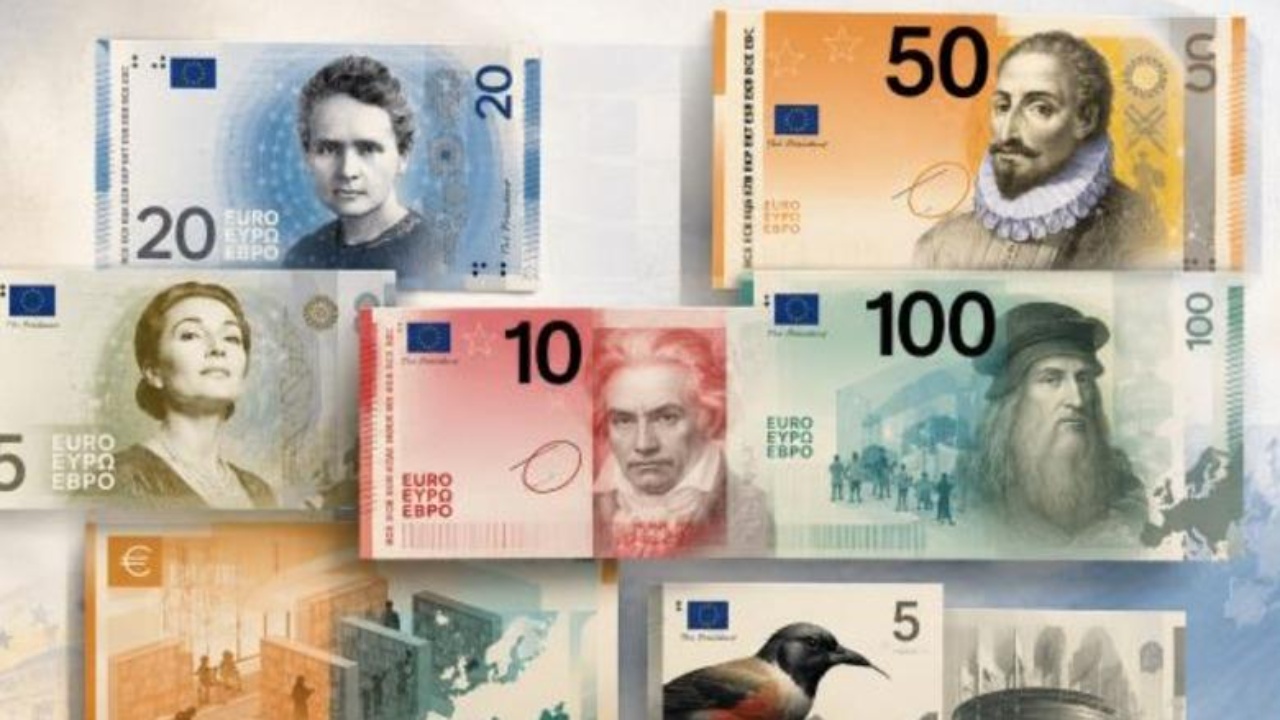
The euro is about to change its appearance. For the first time since its introduction, European citizens will have the opportunity to choose the design of the new banknotes. The European Central Bank (ECB) presented the 10 finalist designs for the new euro series and launched a public consultation, which will remain open until 21 September.
Alongside experts and the ECB Governing Council, citizens will also give their opinion on the new look of the single currency, which will be completely redesigned for the first time since 2002.
“We are excited to present these motifs, which depict scenes from real life and demonstrate our commitment to Europe, celebrating its cultural and natural heritage. Euro banknotes are more than a means of payment. They are one of the most tangible expressions of Europe. Through designs that combine beauty and meaning, they will strengthen our common identity ,” said ECB President Christine Lagarde, during the presentation of the final designs.
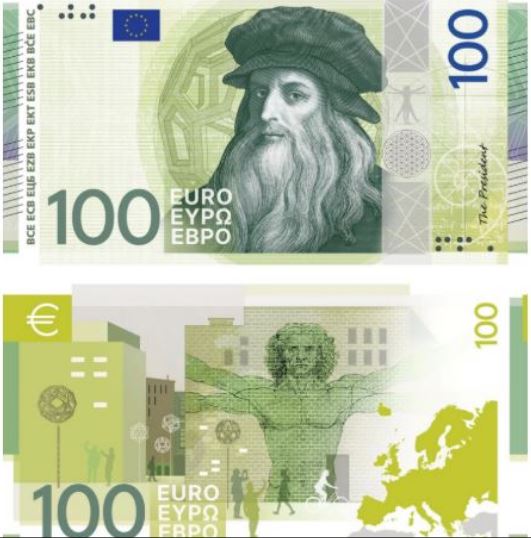
The 10 finalist projects are the result of an international competition in which more than 1,200 designers from European Union countries participated. After the first selection phase, 25 of them were invited to develop their ideas. Then, an independent jury of 21 experts in the fields of design, communication, history and neuroscience selected the finalist projects, divided into two themes: “European Culture” and “Rivers and Birds”. The change is not only related to appearance. With the new series, the ECB abandons the philosophy used more than 20 years ago, when banknotes were decorated with imaginary bridges, windows and gates to avoid favoring monuments or symbols of one member state over another.
The new banknotes will tell a story. In November 2023, the Governing Council of the ECB selected two themes that will reflect European identity: “European culture: places of culture and sharing” and “Rivers and birds: sustainability in diversity”. In January 2025, the decorative motifs that will appear on each denomination were also determined. This decision came after a long consultation process in which over 365,000 European citizens participated, together with expert groups from across the euro area.
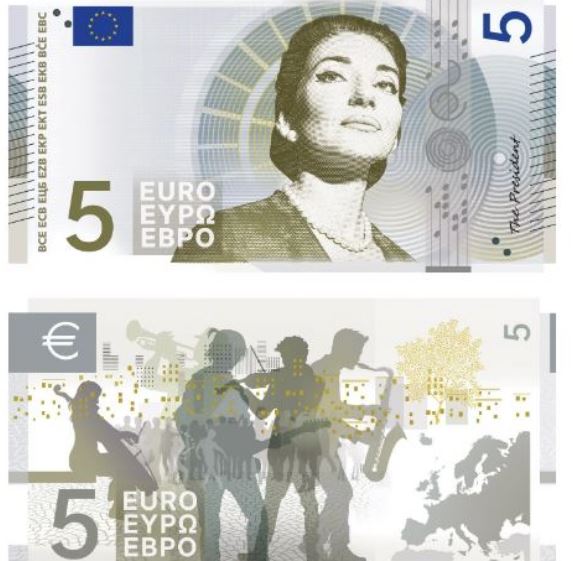
If the theme “European Culture” is selected, each cut will be dedicated to a well-known figure from the continent’s history, accompanied by symbolic places of cultural life.
The 5 euro note will feature a portrait of Maria Callas and street performers on the back. The 10 euro note will feature Ludwig van Beethoven, accompanied by a music festival with a youth choir. The 20 euro note will be dedicated to Marie Curie, with a school or university in the background. The 50 euro note will feature Miguel de Cervantes, accompanied by a public library. The 100 euro note will feature a portrait of Leonardo da Vinci, while the back will feature a museum visited by adults and children. The 200 euro note will be dedicated to Bertha von Suttner, winner of the Nobel Peace Prize, with a public square as a meeting and socializing place in the background.
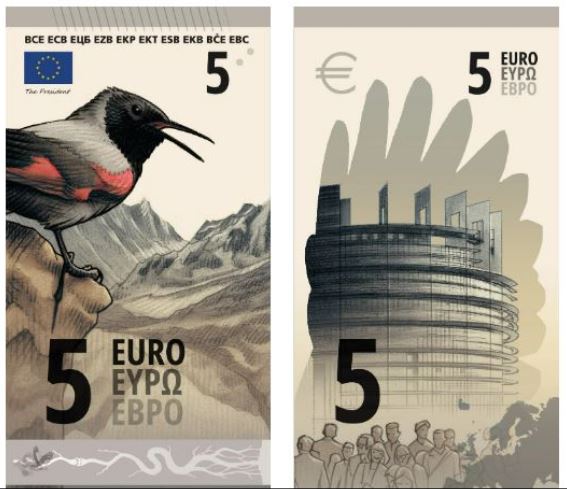
The second variant follows a completely different concept. Each banknote shows a stage in the flow of a European river, from its source to the sea, accompanied by a bird species characteristic of the respective ecosystem. The back of the banknotes features some of the main institutions of the European Union, such as the European Parliament, the European Commission, the European Central Bank, the Court of Justice, the European Council and the European Court of Auditors. The new series of banknotes will not only bring a new look. According to the European Central Bank, the future banknotes will have more advanced security features to combat counterfeiting, will be easier to verify as genuine and more accessible even for people with visual impairments. It is also intended to reduce their impact on the environment by using more sustainable materials and increasing resistance to wear.
” The redesign of euro banknotes is part of the Eurosystem’s long-term strategy to ensure that physical money remains a safe, efficient and accessible means of payment for citizens, while preserving their freedom to choose how they pay ,” said Piero Cipollone, member of the ECB’s Executive Board.
The public consultation will remain open until 21 September 2026. In parallel, an independent research company will also conduct a survey with a representative sample of euro area citizens. The Governing Council of the ECB is expected to select the winning design by the end of 2026, taking into account the jury’s assessment, technical checks and the results of the two consultations. After selection, the winning design will be further developed and tested before entering production. The new banknotes will be put into circulation in the coming years and, at least in the first phase, will be used in parallel with the current banknotes, which will continue to have full legal tender.