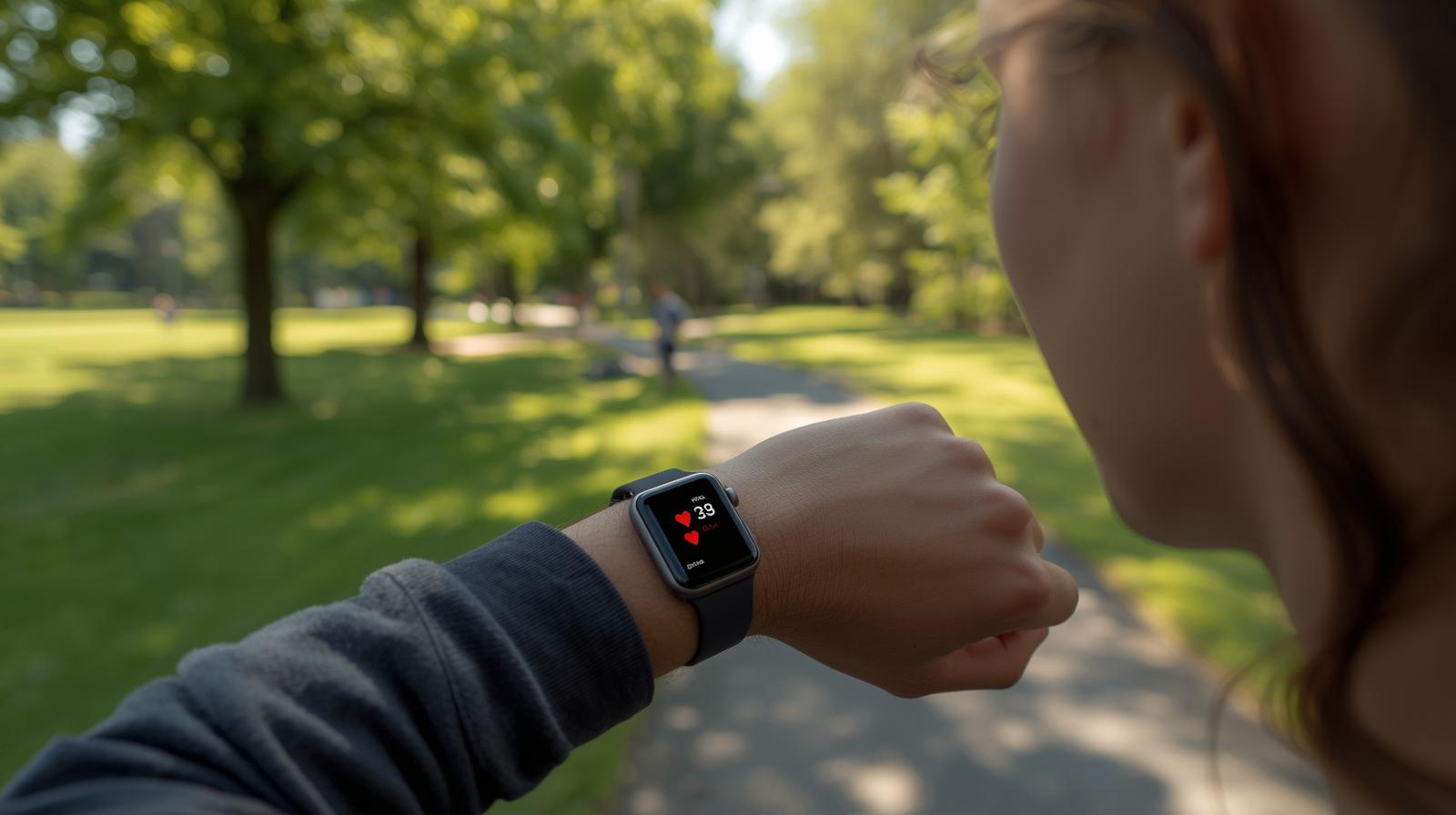
New wearable health devices in 2025 track heart rate, sleep, and activity, helping people make small changes to stay healthy and prevent illness.
Wearable Devices Are Changing Everyday Health
In 2025, wearable health devices are becoming a normal part of daily life. People use smartwatches, fitness bands, and small sensors to monitor their health easily. These devices track steps, heart rate, sleep patterns, and even stress levels.
According to a study by HealthTech Research, 70% of adults who use wearable devices report feeling more motivated to stay active. Simple alerts like “Time to move” or “Take a deep breath” help people build healthier habits without visiting a doctor.
How Wearables Work
Modern wearables have tiny sensors that measure your body’s activity. Some use optical sensors to check blood flow and heart rate. Others use accelerometers to track movement. Many now include AI-powered apps that give tips based on your health data.
For example, a smartwatch might notice irregular heartbeats and suggest contacting a doctor early. Sleep tracking features can recommend better bedtime routines, helping users feel rested and energized.
Benefits for Everyday Life
The benefits of wearable health devices include:
-
Better fitness: Helps set goals and track progress.
-
Heart health: Monitors irregular rhythms and warns early.
-
Sleep improvement: Shows patterns and suggests changes.
-
Stress management: Reminds users to breathe or relax.
Even small improvements, like walking 10 more minutes a day, can have big effects over time.
Who Can Use Wearables
Wearables are designed for everyone — young, old, healthy, or with health conditions. Seniors can use devices to track heart health or medication reminders. Children can monitor activity to stay active.
Doctors are also using wearables to monitor patients remotely. This can reduce hospital visits and allow doctors to catch problems early.
Challenges and Considerations
While wearables are helpful, there are some challenges:
-
Accuracy: Not all devices are perfect.
-
Privacy: Health data needs protection.
-
Cost: Some devices are expensive, making them harder to access for everyone.
Still, the convenience and health benefits make them popular worldwide.
The Future of Wearable Health Technology
In the coming years, wearable devices will likely:
-
Measure blood sugar without needles
-
Detect early signs of illness like flu or infections
-
Integrate with smart homes for automatic health alerts
Technology is helping people take small, everyday steps to stay healthy.
Conclusion
Wearable health devices in 2025 are simple tools with big impact. By tracking daily activity, sleep, and heart health, they help people make better decisions and stay healthy. Small changes can lead to a longer, happier life.