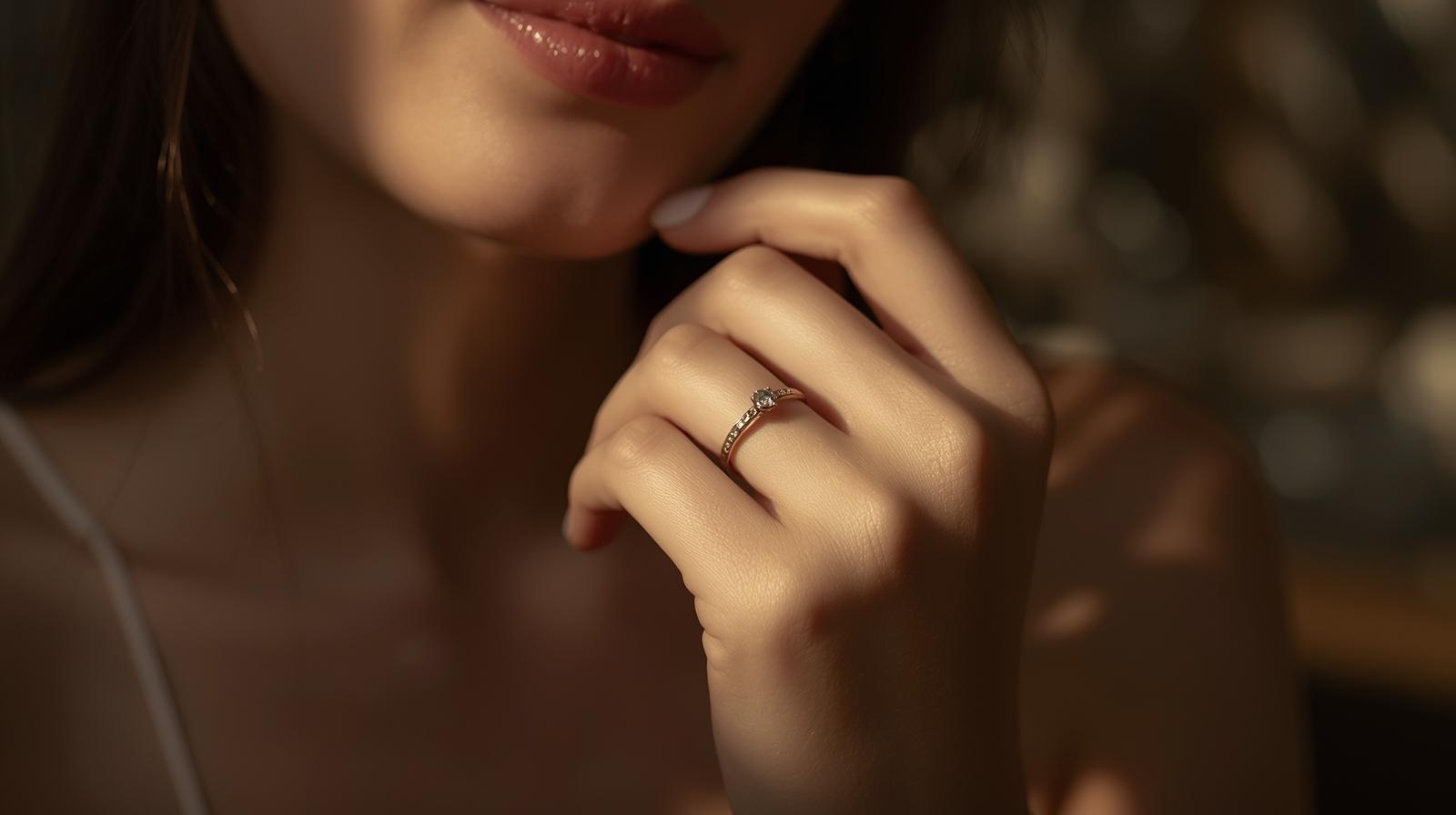
For more than three decades, the ring had never meant anything special. It wasn’t expensive, flashy, or tied to any important memory. In fact, when she first bought it, she paid just $12 at a small local market and thought of it as nothing more than a simple accessory. Over the years, it became part of her daily life, something she wore without thinking, never once questioning its value.
She wore the ring everywhere. At work, while shopping, during family gatherings, and even while traveling. It survived countless scratches, daily wear, and changing fashion trends. To her, it was just a ring—comfortable, familiar, and easy to match with anything. Friends occasionally complimented it, but no one ever suggested it might be special.
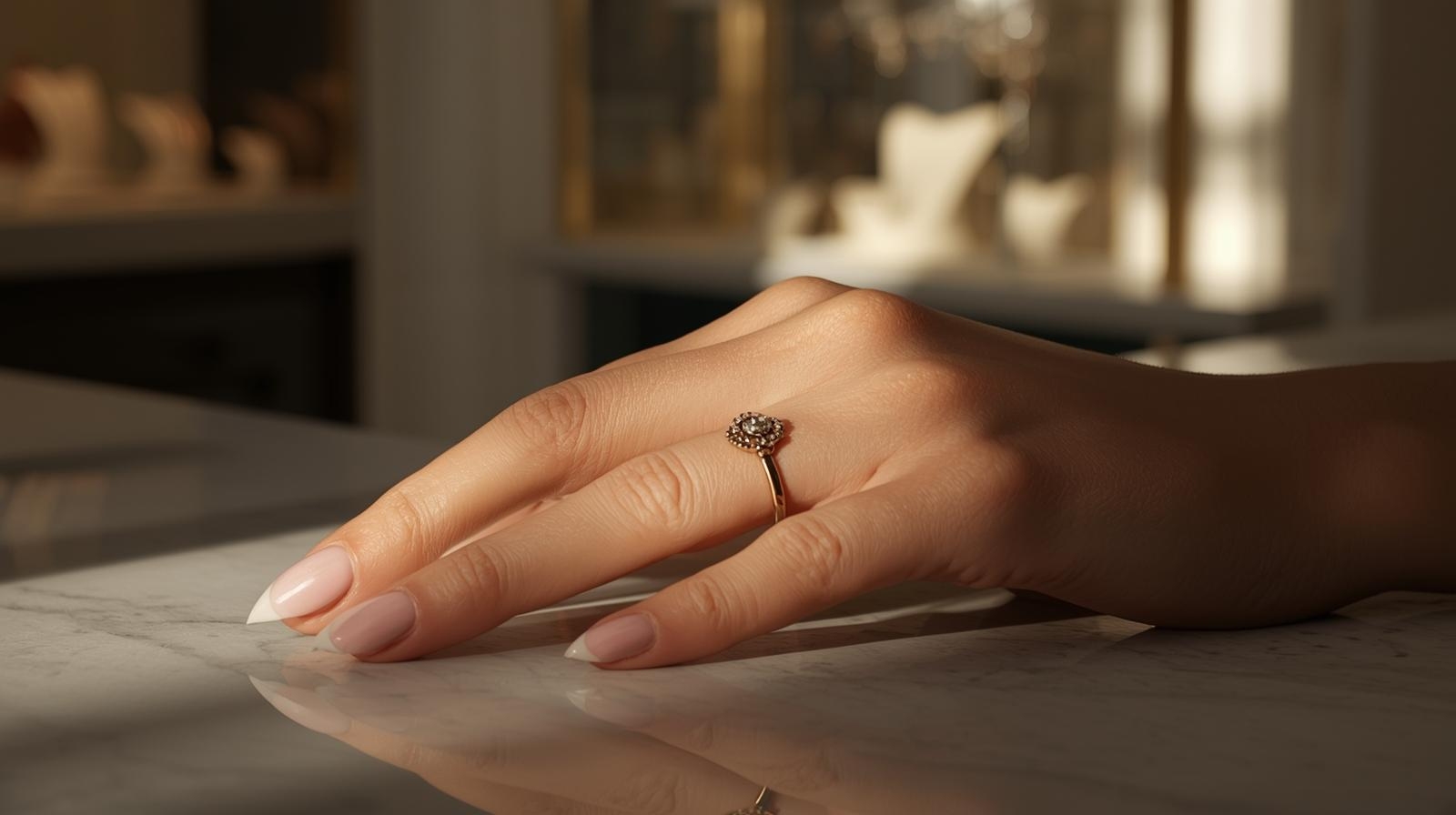
Life moved on, as it always does. Decades passed, and the ring remained on her finger, quietly aging along with her. It never crossed her mind to have it examined or cleaned professionally. Why would she? After all, it was cheap costume jewelry—or so she believed.
One afternoon, everything changed by accident.
She had stopped by a jewelry store to have a broken necklace repaired. While waiting, she absentmindedly removed her ring and placed it on the counter. The jeweler, an experienced professional who had worked with precious metals and stones for years, noticed it immediately. Something about it caught his eye.
He asked her politely if he could take a closer look. Surprised but curious, she agreed. She watched as he picked up the ring, turned it slowly under the light, and examined it with growing interest. His expression shifted from casual curiosity to focused attention.
She laughed nervously and told him it was just a cheap ring she had bought years ago. The jeweler smiled but didn’t respond right away. Instead, he asked her if she remembered where she bought it and whether it had ever been resized or altered. She answered honestly—no changes, no upgrades, nothing special.
The jeweler then placed the ring under a magnifying lens. He checked the setting, the stone, and the metal carefully. Minutes passed, and the silence became uncomfortable. Finally, he looked up and said something she never expected to hear.
He told her the ring might not be costume jewelry at all.
At first, she thought he was joking. She explained again that she had paid almost nothing for it and had worn it every day without any concern. But the jeweler gently explained that price and appearance don’t always reflect true value. Sometimes, real pieces go unnoticed for years.
He asked if she would allow him to run a few tests. Her curiosity had fully taken over by this point, so she agreed.
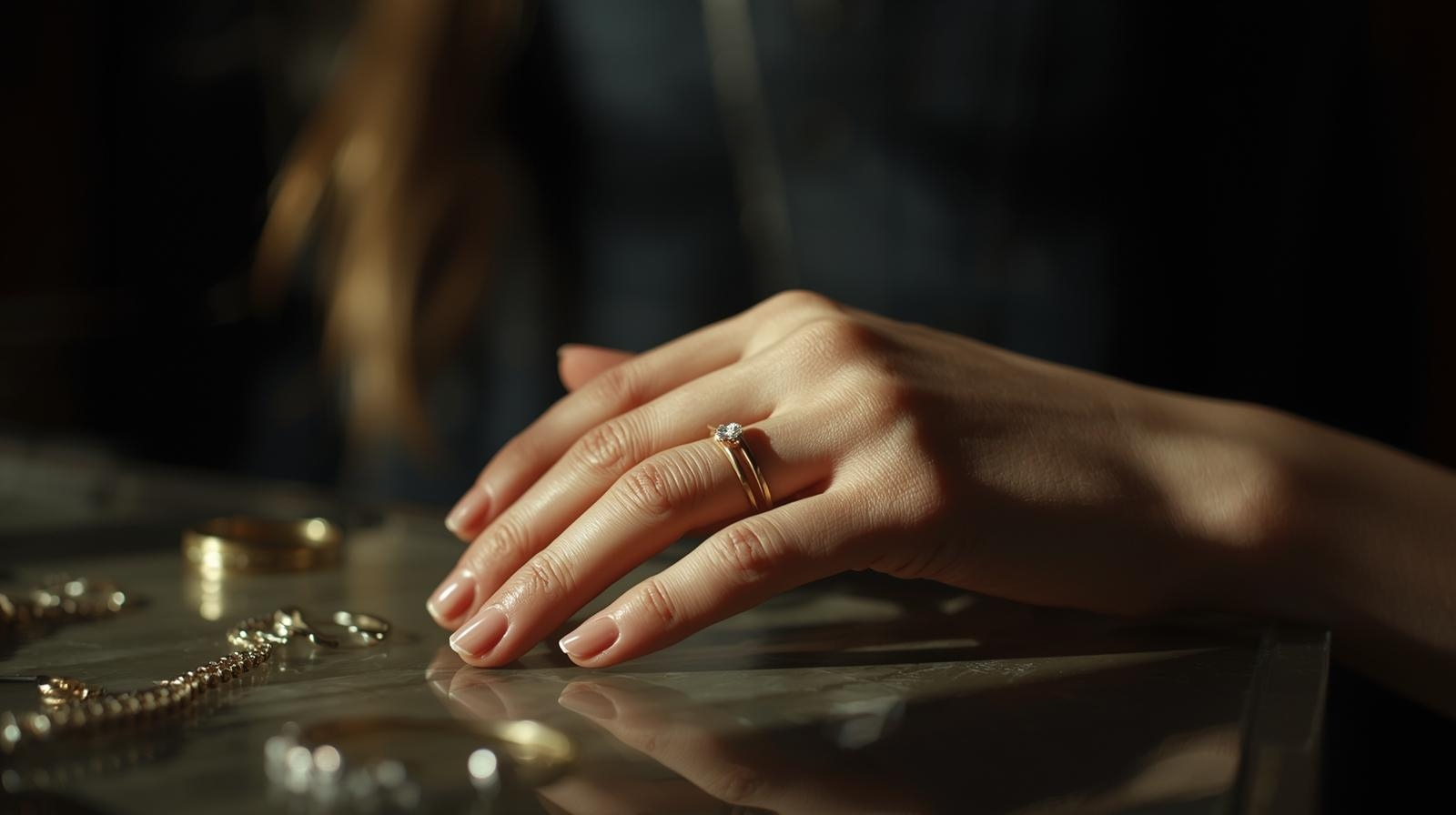
The results were shocking.
The metal, which she assumed was cheap alloy, turned out to be high-quality gold. The stone, once thought to be glass, showed properties consistent with a natural gemstone. The cut was old-fashioned, something rarely seen in modern mass-produced jewelry.
As the jeweler continued his evaluation, her disbelief grew. For thirty years, she had worn the ring without any idea of what it truly was. It wasn’t just valuable—it was rare.
Further examination revealed that the ring was likely made decades earlier, possibly handcrafted, and had characteristics associated with fine jewelry from a specific period. The jeweler explained that pieces like this were sometimes sold cheaply in markets when sellers themselves didn’t know what they had.
Hearing this, she felt a mix of emotions. Shock, excitement, disbelief, and even a bit of fear. How could something so valuable go unnoticed for so long? And how had she worn it daily without losing or damaging it?
The jeweler gave her an estimated value range, and her heart nearly stopped. The ring was worth far more than she ever imagined—enough to change her financial situation completely if she chose to sell it.
But money wasn’t the only thing on her mind.
She thought about the years she had worn the ring during ordinary moments of life. It had been there through job changes, family milestones, difficult times, and quiet days. Without knowing it, she had carried something extraordinary with her through it all.
She decided not to rush into any decision. Instead of selling the ring immediately, she took time to reflect. The jeweler encouraged her to get additional opinions and provided documentation of his findings.
When she shared the story with friends and family, reactions ranged from excitement to disbelief. Many couldn’t understand how such a valuable item could be overlooked for so long. Others were amazed by how chance and timing played such a crucial role.
Eventually, she chose to have the ring professionally insured and preserved. Knowing its true value changed how she viewed it—not as something to show off, but as a reminder of how life can surprise you when you least expect it.
The experience also changed her perspective on everyday objects. She began to understand that value isn’t always obvious and that many things we overlook may hold stories or worth beyond what we imagine.
Stories like hers resonate with people because they tap into a universal hope—that something extraordinary could be hiding in plain sight. That an ordinary life can hold unexpected surprises. That sometimes, luck doesn’t announce itself loudly but waits quietly for the right moment.
For thirty years, she wore a $12 ring without a second thought. One simple visit to a jeweler changed everything. Not because of the money alone, but because it revealed a truth she never knew—and reminded her that life’s most remarkable moments often arrive disguised as the most ordinary ones.