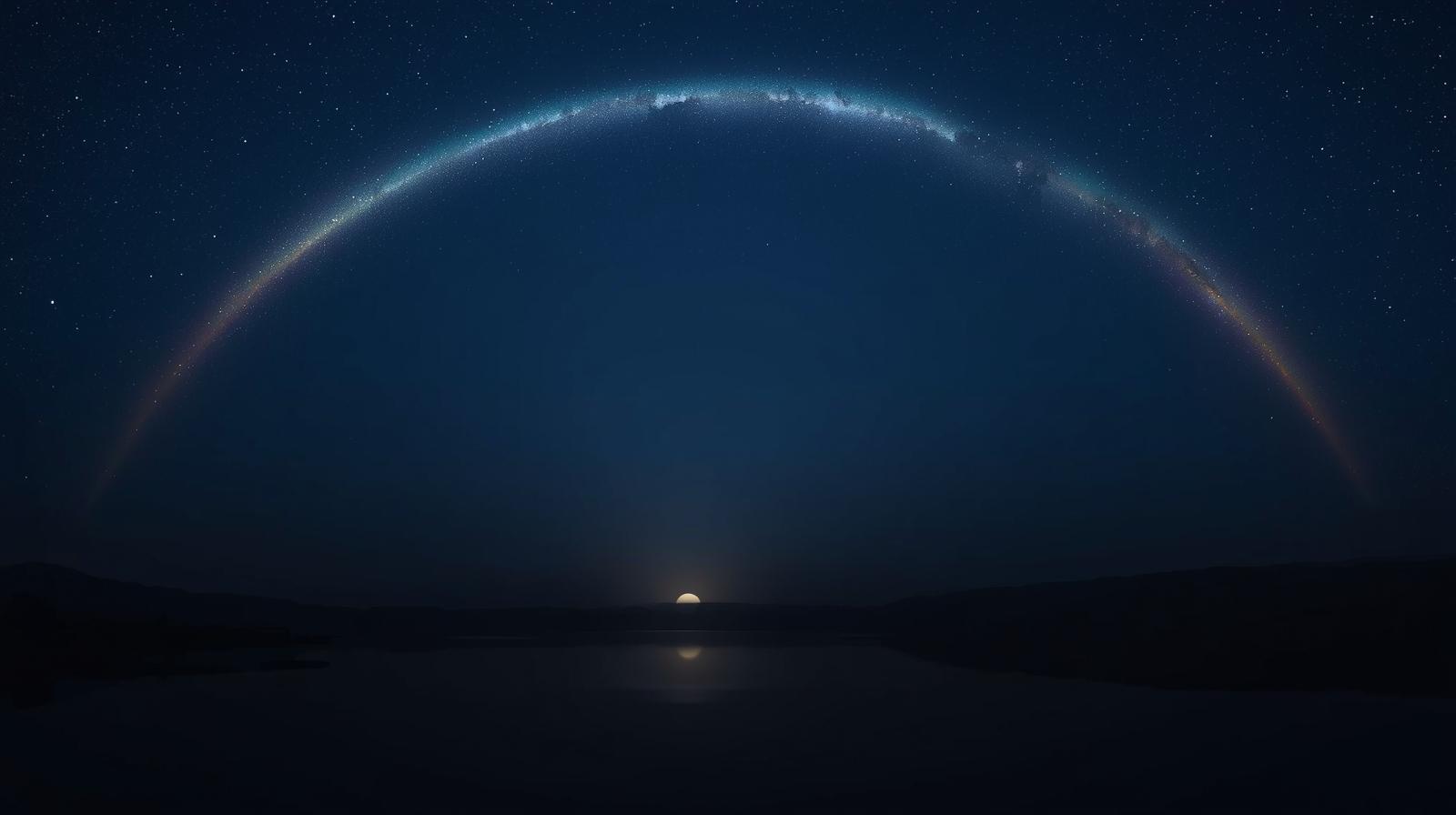
In 2025, a rare lunar rainbow appeared in several parts of the world, fascinating astronomers and sky watchers with its subtle glow and unusual nighttime colors.
H1: A Nighttime Rainbow Like No Other
Rainbows are typically associated with sunlight, but in 2025, a lunar rainbow — also known as a moonbow — was spotted in several countries, creating a magical celestial display. Unlike ordinary rainbows, lunar rainbows are much fainter and appear at night, formed by moonlight rather than sunlight.
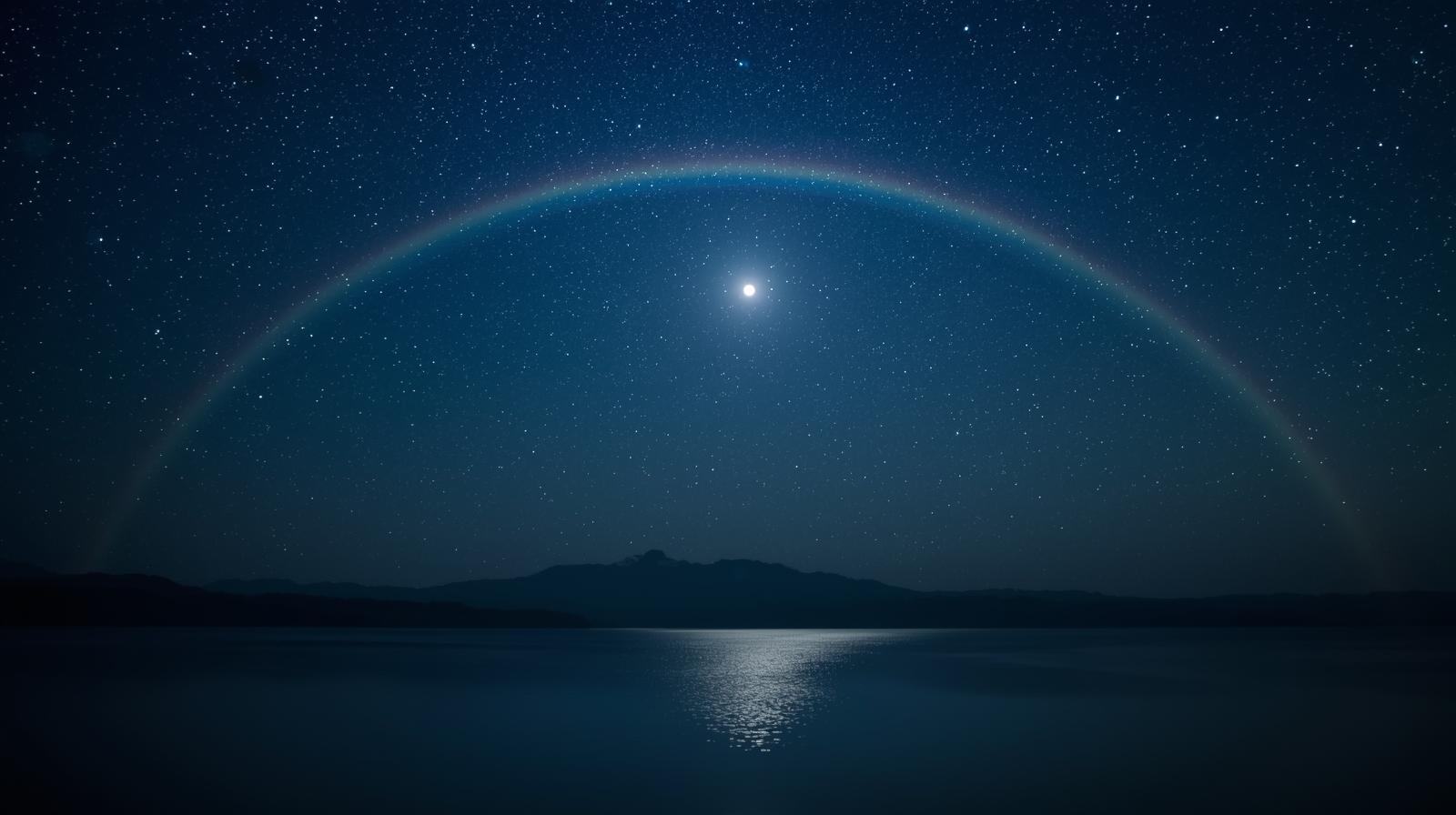
Astronomers and photographers shared breathtaking images of this rare phenomenon, highlighting the soft, ethereal colors stretching across the night sky. Dr. Nathan Brooks, an astronomer in New Zealand, commented: “Moonbows are extremely rare because they require precise alignment of moonlight, water droplets, and dark skies.”
H2: How Lunar Rainbows Form
Lunar rainbows occur under specific conditions:
-
Bright Moonlight: Ideally, a nearly full moon provides sufficient light.
-
Rain or Mist: Moisture in the atmosphere refracts moonlight to produce the rainbow.
-
Dark Skies: Minimal light pollution is necessary for visibility.
-
Observer Angle: Moonbows are best seen with the moon behind the observer and the water droplets in front.
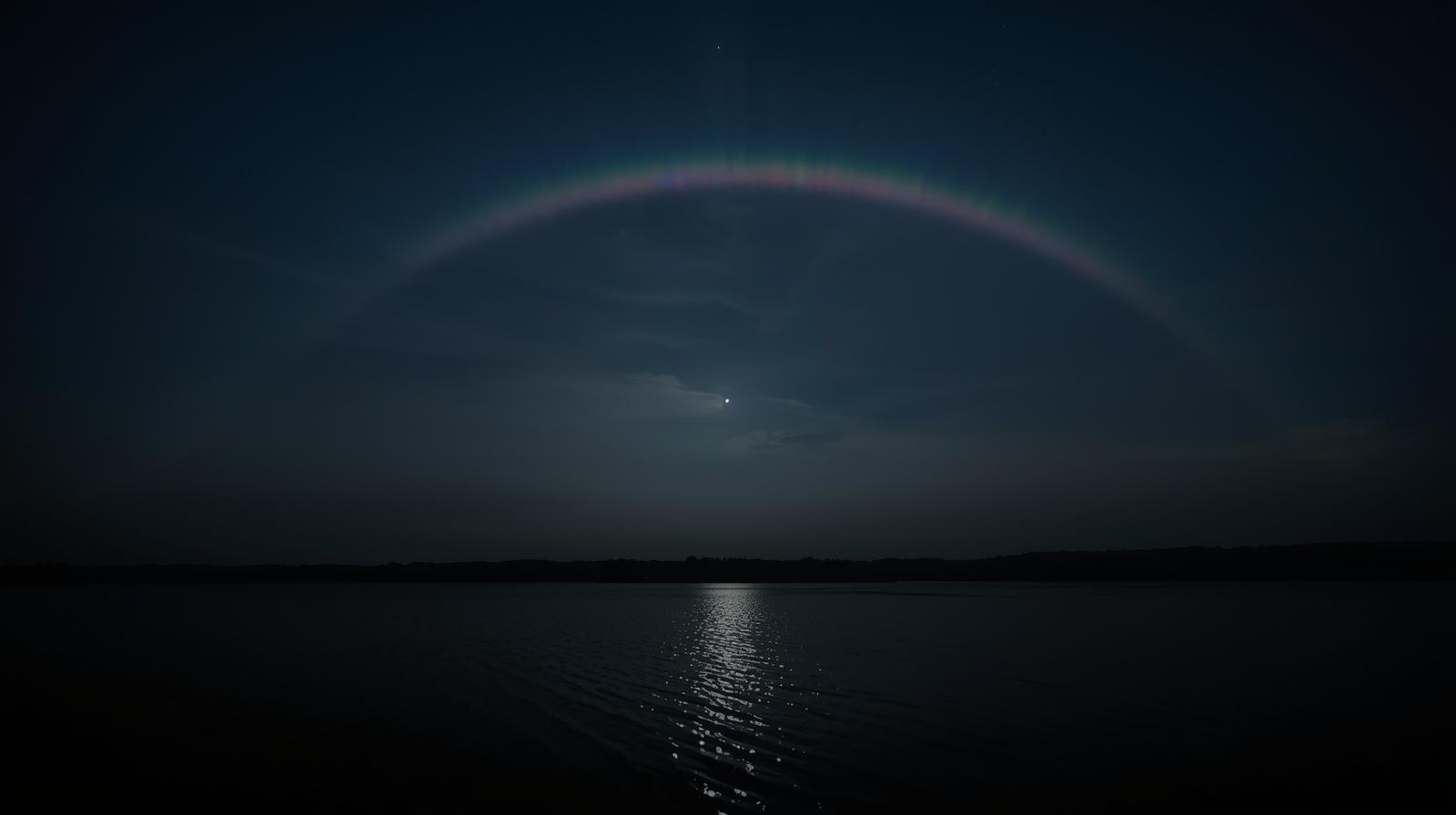
Because moonlight is much dimmer than sunlight, lunar rainbows often appear white or pale, although long exposures in photography reveal the full spectrum of colors.
H3: Locations of the 2025 Lunar Rainbow
Reports from 2025 indicate sightings in:
-
New Zealand: Moonbow over the Waitomo region created a stunning view above rolling hills.
-
Scotland: Highlands observers witnessed a faint rainbow after evening rain showers.
-
Canada: Lakes in Ontario reflected moonlight, enhancing the visibility of the rainbow.
The global attention to this phenomenon highlights the interconnectedness of science, photography, and public fascination.
H4: Why Lunar Rainbows Are Rare
Lunar rainbows are rare because they require a perfect combination of factors:
-
Moon must be nearly full
-
Sky must be clear and dark
-
Rain or mist must coincide with moonlight
-
Observer must be at the right location
Additionally, light pollution from cities often obscures the faint rainbow. This makes moonbows a delightful reward for dedicated sky watchers and photographers.
H5: Scientific Importance
While visually stunning, lunar rainbows also have scientific significance:
-
Help meteorologists study light refraction and atmospheric conditions
-
Offer insights into moisture distribution in the atmosphere
-
Aid researchers in calibrating imaging equipment for low-light observations
Studying moonbows contributes to astronomy, climatology, and optics research, merging natural beauty with scientific inquiry.
H6: Cultural and Historical Fascination
Throughout history, moonbows have captured human imagination. Some cultures consider them omens of luck or messages from the divine, while others feature them in art, literature, and folklore. The 2025 sightings reignited interest in celestial myths and stories, inspiring artists and writers worldwide.
H7: How to See a Lunar Rainbow
Sky watchers hoping to witness a moonbow should follow these tips:
-
Check the Moon Phase: Plan visits during a full or nearly full moon.
-
Scout Locations: Seek areas with open skies and minimal light pollution.
-
Watch for Rain: Moonbows need moisture from rain, mist, or waterfalls.
-
Bring a Camera: Long-exposure photography can reveal vivid colors invisible to the naked eye.
Experts recommend patience, as moonbows may appear briefly and fade quickly.
H8: Public Reaction and Inspiration
The 2025 lunar rainbow inspired social media posts, online discussions, and science blogs. Photographers shared creative images, educators used the phenomenon to teach light physics and atmospheric science, and enthusiasts celebrated the rare beauty of the natural world.
This event reminds people that science and wonder coexist, and even ordinary nights can reveal extraordinary experiences if we look closely.
Conclusion
The 2025 lunar rainbow is a captivating example of nature’s subtle miracles. While faint and fleeting, moonbows demonstrate the beauty and complexity of our atmosphere, inspiring curiosity, exploration, and appreciation for natural phenomena. For astronomers, photographers, and casual sky watchers alike, lunar rainbows offer a rare glimpse into the hidden magic of the night sky.