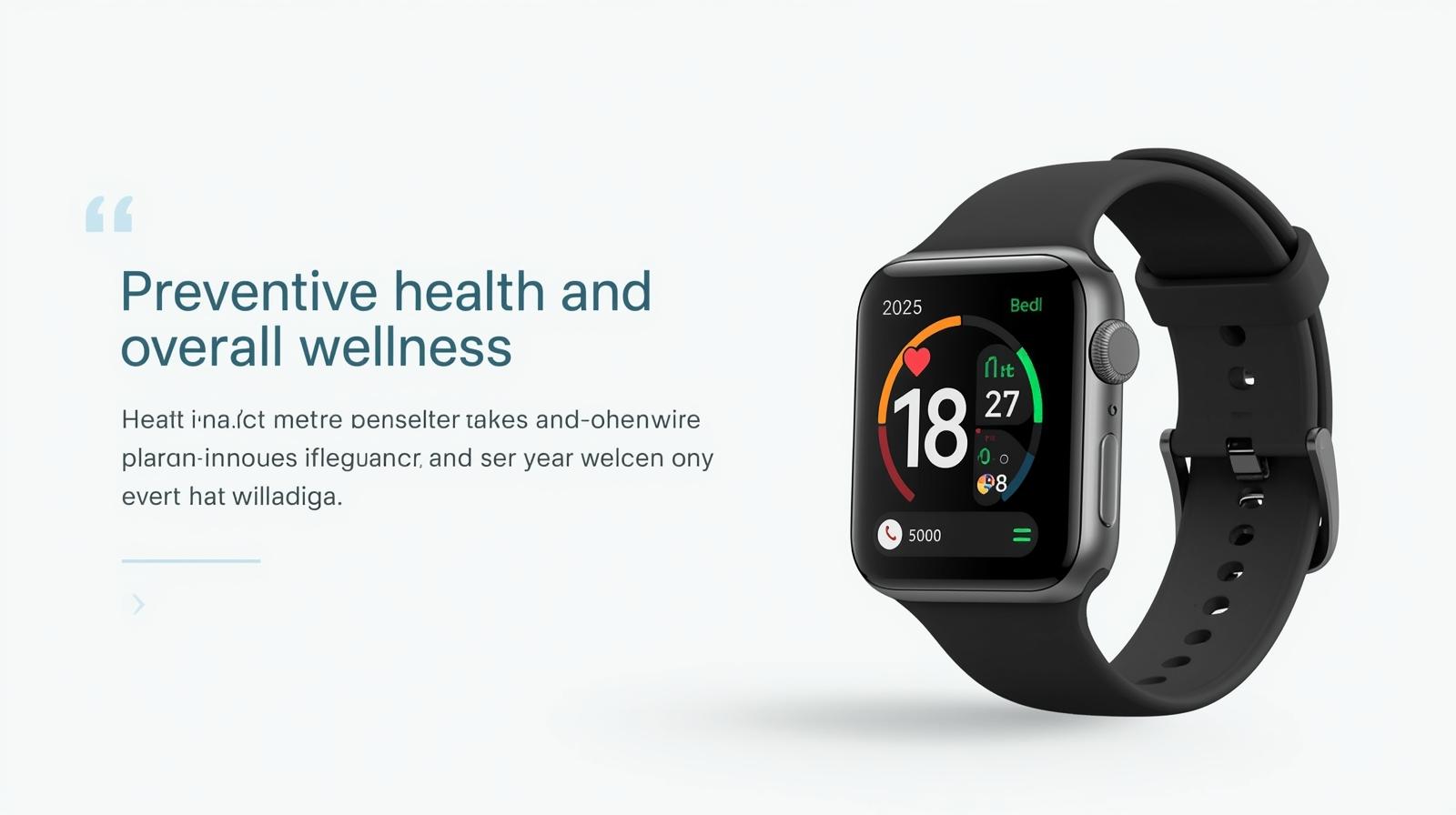
In 2025, wearable health devices track heart rate, sleep, and activity, helping people make small lifestyle changes to stay healthy and prevent illness.
H1: The Rise of Wearable Health Technology
Wearable health devices are transforming how people monitor their wellness in 2025. From smartwatches to fitness bands and advanced sensors, these tools provide real-time feedback on vital signs, activity levels, and sleep patterns. Unlike traditional healthcare, which requires periodic visits to clinics, wearables allow users to track their health continuously at home, empowering them to make informed decisions about lifestyle and prevention.
The global wearable health market has grown exponentially, with millions of users relying on these devices daily. Innovations in sensor technology, artificial intelligence, and data analytics have made it possible to detect early signs of heart problems, monitor sleep quality, and even manage stress effectively.
H2: How Wearables Track Your Health
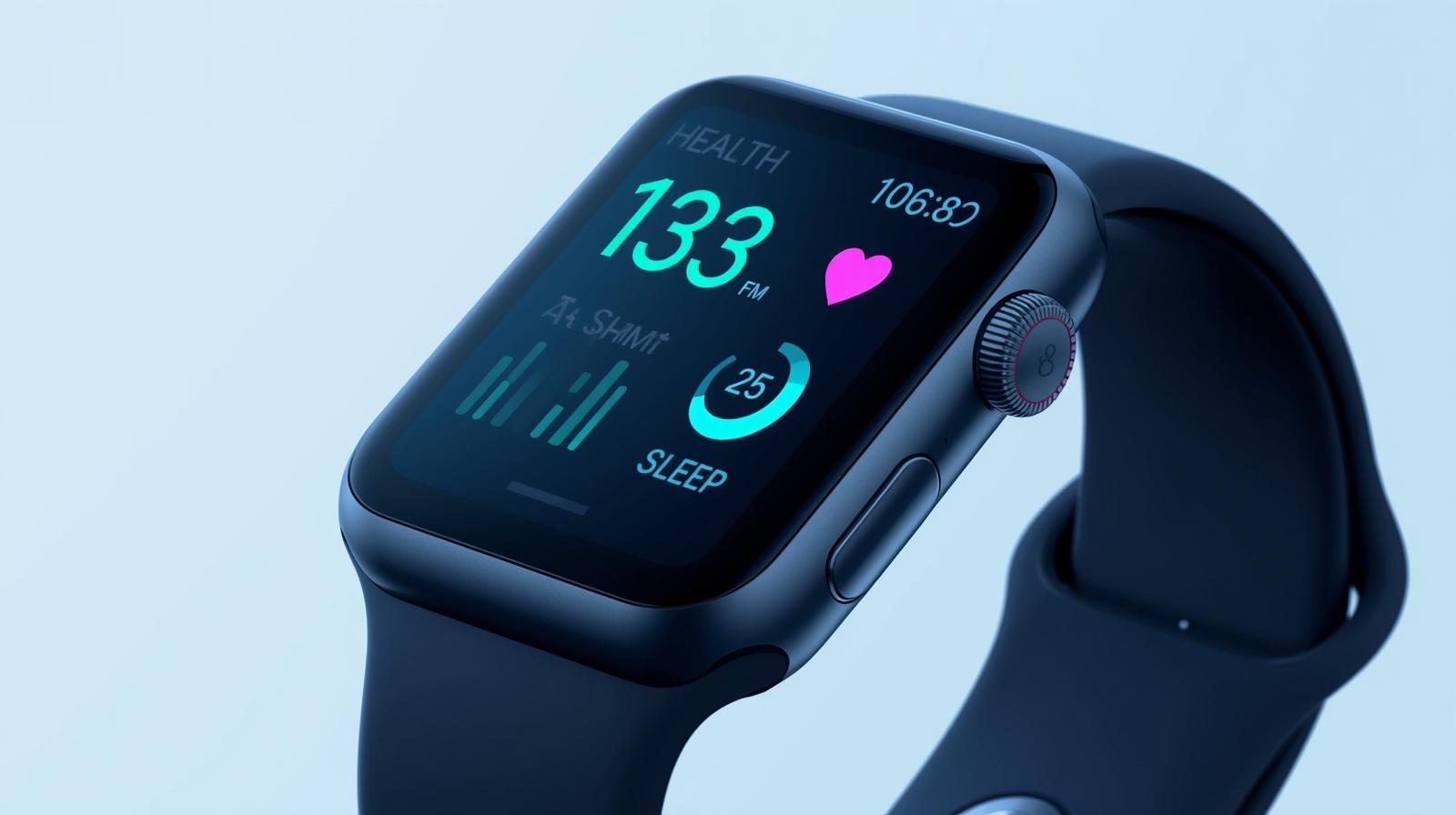
Modern wearables use advanced sensors and AI algorithms to collect and analyze data. Some key features include:
-
Heart Rate Monitoring: Optical sensors detect blood flow to measure beats per minute, alerting users to irregularities.
-
Sleep Tracking: Accelerometers and heart rate data identify sleep stages, helping users improve rest quality.
-
Activity Tracking: Steps, distance, and calories burned are logged, offering insights into daily activity.
-
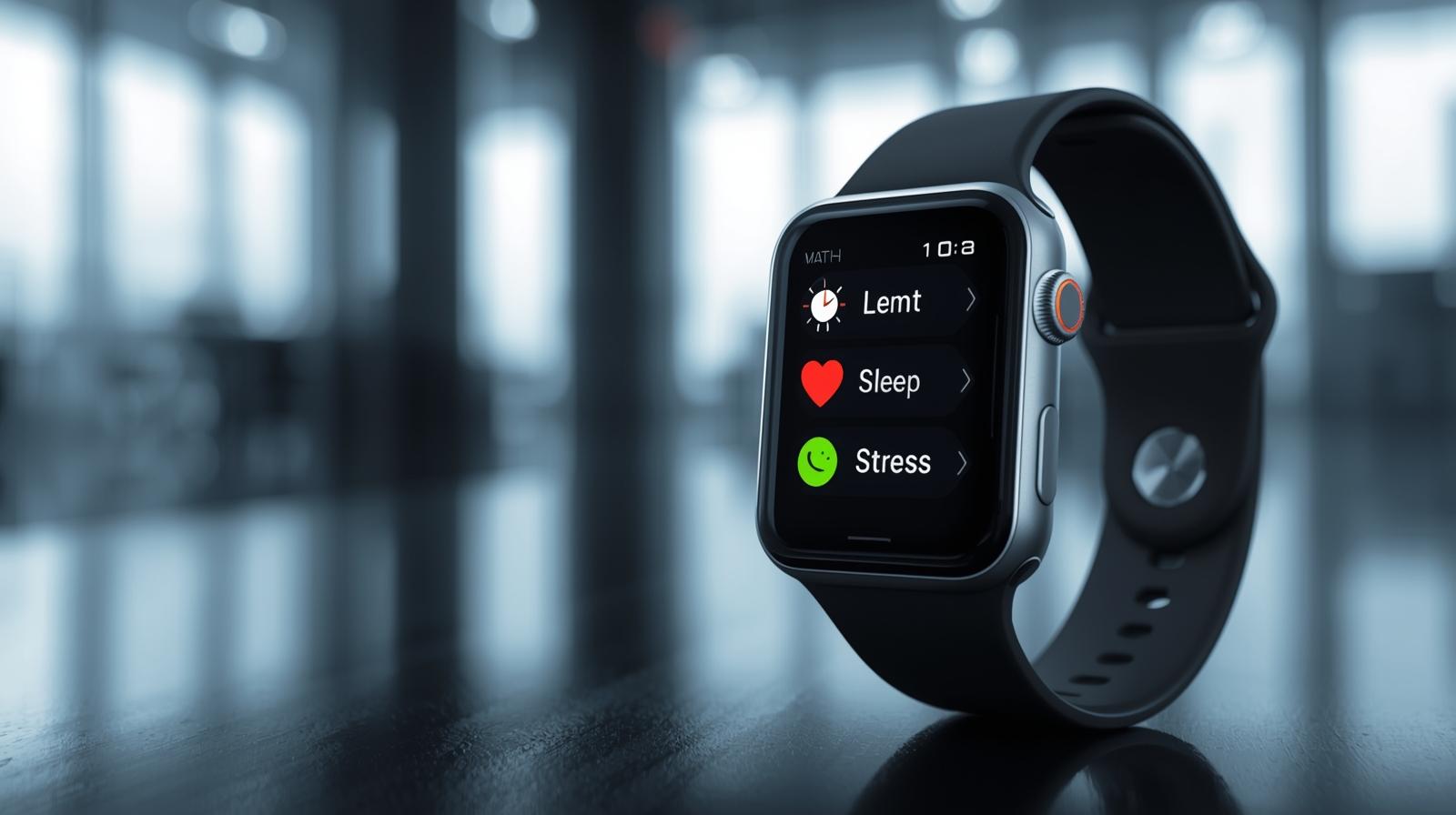
Stress and Mindfulness Alerts: Some devices detect elevated heart rate or irregular breathing, prompting relaxation exercises.
This constant monitoring allows users to understand trends over time, enabling preventive measures before minor issues become serious health concerns.
H3: Benefits for Everyday Life
Wearable devices offer numerous advantages:
-
Improved Fitness: Personalized activity targets motivate users to move more and stay active.
-
Heart Health: Early detection of irregular rhythms or high heart rate can prevent complications.
-
Better Sleep: Insights into sleep patterns help users adjust habits for more restful nights.
-
Stress Management: Timely reminders encourage relaxation and reduce burnout.
Even small lifestyle changes, like walking 15 minutes extra per day or adjusting bedtime, can significantly improve long-term health outcomes.
H4: Who Can Benefit from Wearables
Wearable health devices are suitable for people of all ages:
-
Seniors: Track heart rate, blood pressure, and daily activity to maintain independence.
-
Adults: Manage work-life balance, reduce stress, and optimize fitness routines.
-
Youth: Encourage active lifestyles and monitor activity levels safely.
Additionally, doctors and healthcare providers are increasingly integrating wearable data into patient care. Remote monitoring reduces hospital visits while providing timely interventions when abnormalities are detected.
H5: Real-Life Success Stories
Several users have reported life-changing experiences with wearables:
-
Maria, 62: Detected irregular heartbeat early and consulted her doctor, preventing serious complications.
-
James, 28: Improved sleep quality by following wearable insights, increasing daytime energy and focus.
-
Lina, 16: Increased daily activity through fun gamified challenges on her smartwatch, improving overall fitness.
These stories highlight the practical benefits of consistent health monitoring.
H6: Challenges and Considerations
While wearables are powerful tools, there are challenges to consider:
-
Accuracy: Not all devices are precise, especially for complex health measurements.
-
Privacy: Sensitive health data must be protected against breaches.
-
Cost: High-quality devices can be expensive, potentially limiting access for some users.
Manufacturers are working to improve sensor accuracy, enhance data security, and offer more affordable options to ensure broad accessibility.
H7: Integration with Smart Home and Healthcare
Wearable devices are increasingly integrated with smart home technology and telehealth platforms. For example:
-
Smart scales sync with wearables to track weight trends.
-
Blood pressure monitors connect to apps for detailed analysis.
-
AI-driven telemedicine platforms use wearable data to provide remote consultations.
This integration creates a holistic health ecosystem, offering users seamless insights into their wellness and enabling timely interventions.
H8: Future Trends in Wearable Health Technology
The future of wearables promises even more advanced health monitoring, including:
-
Non-invasive glucose monitoring for diabetics
-
Advanced biomarker detection to predict disease risk
-
AI-driven predictive alerts for early detection of heart or neurological issues
-
Integration with personalized nutrition and fitness plans
These advancements suggest a shift from reactive healthcare to proactive and preventive medicine, where users take control of their health daily.
Conclusion
Wearable health devices in 2025 are more than gadgets — they are tools for empowerment. By tracking heart rate, activity, sleep, and stress, they help users make informed lifestyle choices, prevent illness, and improve overall well-being. Combined with healthy habits and medical guidance, wearables are changing the way people approach health, making daily wellness achievable, accessible, and personalized.